
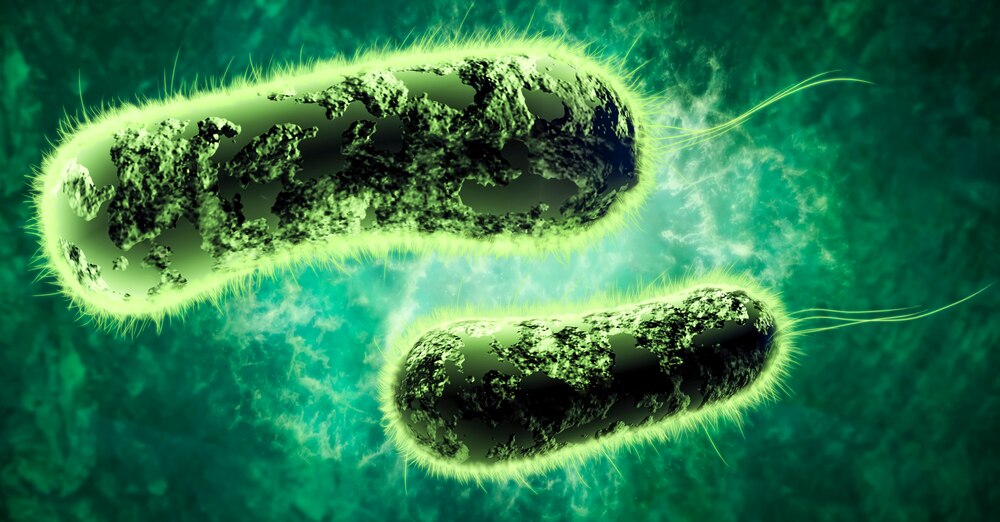
Recent research carried out by scientists in Kraków has revealed the presence of harmful fungi and bacteria in salt graduation towers. This poses significant health risks for certain individuals, according to Łukasz Pawlik from the City Green Management Board.
What Contaminants Were Found in Kraków’s Salt Graduation Towers?
Consistent findings from multiple studies are challenging the perceived health benefits of salt towers. Professor Katarzyna Wolny-Koładka from the Agricultural University in Kraków and her team have been investigating this issue for several years. Among the discoveries were E. coli bacteria. This threat is real, as confirmed by the research. Pawlik explains that these bacteria can infiltrate the towers because the brine circulates in a closed loop outdoors, often interacting with animals. Regular maintenance through cleaning and brine replacement is necessary to manage this issue.
The Absence of Sanitary Regulations
A significant concern highlighted by Professor Wolny-Koładka is the lack of sanitary standards for salt towers outside of spa settings. These structures are not subjected to any regulatory inspections. There is an urgent need for change. Discussions are underway with the National Institute of Health and Sanitary-Epidemiological Station to develop appropriate standards, as emphasized by Pawlik.
Kraków Halts New Projects
Implementing these new standards is expected to increase the operational costs of graduation towers. The City Green Management Board has already installed special UV lamps in existing towers in Kraków. Planned new projects, originally part of a civic budget initiative, are currently on hold. Pawlik notes that discussions with other project leaders are ongoing as they assess the future of these initiatives.
Graduation towers are a popular feature not only in Kraków but across the region. Through the „Małopolskie Tężnie Solankowe” competition, nine municipalities received funding to construct such structures.